Many homeowners in Reading, PA expect summer to be a season of growth, but summer heat and dry spells bring a set of common tree problems that can quickly stress landscapes. These problems range from heat stress and drought symptoms to insect outbreaks and fungal infections, and they often show up as discolored leaves, premature leaf drop, or branch dieback. Recognizing the signs early can prevent long term decline, though it can be hard to know which issue is causing the symptoms without careful observation.
When tree problems go unnoticed or are misdiagnosed, the effects can cascade across a property. A tree with leaf scorch or root damage can lose vigor, drop branches unexpectedly, or become more susceptible to pests and diseases, creating hazards and increasing maintenance costs. Homeowners who are unsure what to look for often delay action, which narrows options and complicates recovery.
This guide explains the most common summer tree problems in Reading, PA, how to spot them, and what inspection steps help separate one cause from another. It will also describe when an arborist tree inspection or a targeted tree disease diagnosis is likely to be useful, and point out simple monitoring practices homeowners can use between professional visits.
Tree Problems from Heat Stress and Leaf Scorch
Heat stress and leaf scorch are among the most visible tree problems homeowners see in Reading during summer. Symptoms include browning at leaf margins, patchy discoloration, and premature leaf drop that often starts on the side of the tree exposed to afternoon sun. These signs usually reflect a tree that cannot move enough water from roots to leaves during very hot, dry periods.
Extreme heat causes moisture loss, leaf scorch, and premature leaf drop in urban and residential trees. This single sentence summarizes a well-documented process where tissues lose moisture faster than roots can replace it, and it is especially relevant for trees planted in compacted soil or near pavement. Observing how symptoms appear across the canopy and whether browning is isolated to edges or spreads inward helps separate heat stress from other issues like vascular disease.
A basic way to reduce the risk is to check soil moisture and mulch appropriately to conserve water and moderate soil temperature. Mulch should be kept a few inches from the trunk and spread to at least the dripline to be effective; overmulching against the trunk can create other problems. For homeowners who want a formal evaluation, a qualified arborist tree inspection can assess root health and recommend irrigation or other interventions.
Drought and Root Stress
Drought and root stress cause reduced growth and overall decline when trees cannot access enough moisture. Leaves may wilt, yellow, or drop, and the tree may fail to produce new shoots or flowers during the season. Root damage from compacted soil, construction, or poor drainage makes trees even more vulnerable because the visible canopy decline is often only one sign of a larger belowground problem.
Regular tree inspection that includes checking soil moisture at root level is important when drought conditions persist for weeks. Digging a small test hole near the dripline to observe moisture and root density can give homeowners immediate information, and it supports better decisions about watering schedules and mulching. When root damage is suspected, arborist tree inspection methods such as probing, root crown assessment, and soil analysis can clarify whether corrective steps like targeted watering, aeration, or root zone improvements are needed.
Proper summer watering means slow, deep irrigation that reaches the root zone rather than repeated shallow sprinkling. A deep soak every 7 to 14 days can be more effective than daily light watering because it encourages roots to grow deeper and improves tree resilience. Adjust watering based on soil type and tree species, and remember that mature trees need different regimes than young ornamentals.
Insect Pests and Defoliators
Insect pests and defoliators remain active in summertime and they are a common cause of sudden leaf loss or chewing damage. Caterpillars, beetles, and sap-sucking insects like aphids or scale can reduce a tree’s ability to photosynthesize and weaken it if infestations are heavy or recurrent. Symptoms such as visible chewing, sticky honeydew, or stippling on leaves give clues about whether insects are the primary problem.
Early detection is important because infestations often start locally before they spread across the canopy or to neighboring trees. A focused tree inspection that looks at twig tips, undersides of leaves, and branch crotches can reveal egg masses, larvae, or hidden pests beneath bark. Integrated pest management principles recommend monitoring and threshold-based treatment, using biological controls or targeted measures to reduce negative effects while avoiding unnecessary broad-spectrum insecticide use.
Some insect issues are species-specific and require correct identification for effective response, which is where a careful tree disease diagnosis and pest assessment is useful. Recording what you see, capturing clear photos, and noting timing and location of symptoms can speed up accurate identification during a professional consultation.
Fungal Diseases, Cankers, and Vascular Problems
Fungal diseases and cankers cause dieback, bark discoloration, and distinct patterns of decline that are common summer concerns in many landscapes. Symptoms vary widely and may include sunken bark areas that ooze, dead patches of cambium, or a gradual thinning of the canopy over multiple seasons. Vascular diseases that block water movement may mimic drought or root issues, making diagnosis more complex.
A methodical tree disease diagnosis begins with mapping symptoms across the tree, checking for fruiting bodies or fungal mats, and examining branch collars and the root collar for signs of decay. Laboratory testing or tissue samples can be used when visual diagnosis is inconclusive, especially for serious pathogens that threaten tree health long term. Maintaining good sanitation, avoiding unnecessary wounding, and choosing resistant species when planting help reduce fungal disease pressure over time.
When decline is concentrated in large scaffold limbs or when structural integrity is in question, combining disease diagnosis with a structural inspection helps prioritize interventions. Management options vary depending on the pathogen and the tree’s health status, and often include pruning out infected tissue, improving tree vigor through cultural care, and limiting stressors that reduce resilience.
Storm Damage, Structural Failure, and When Removal Is Needed
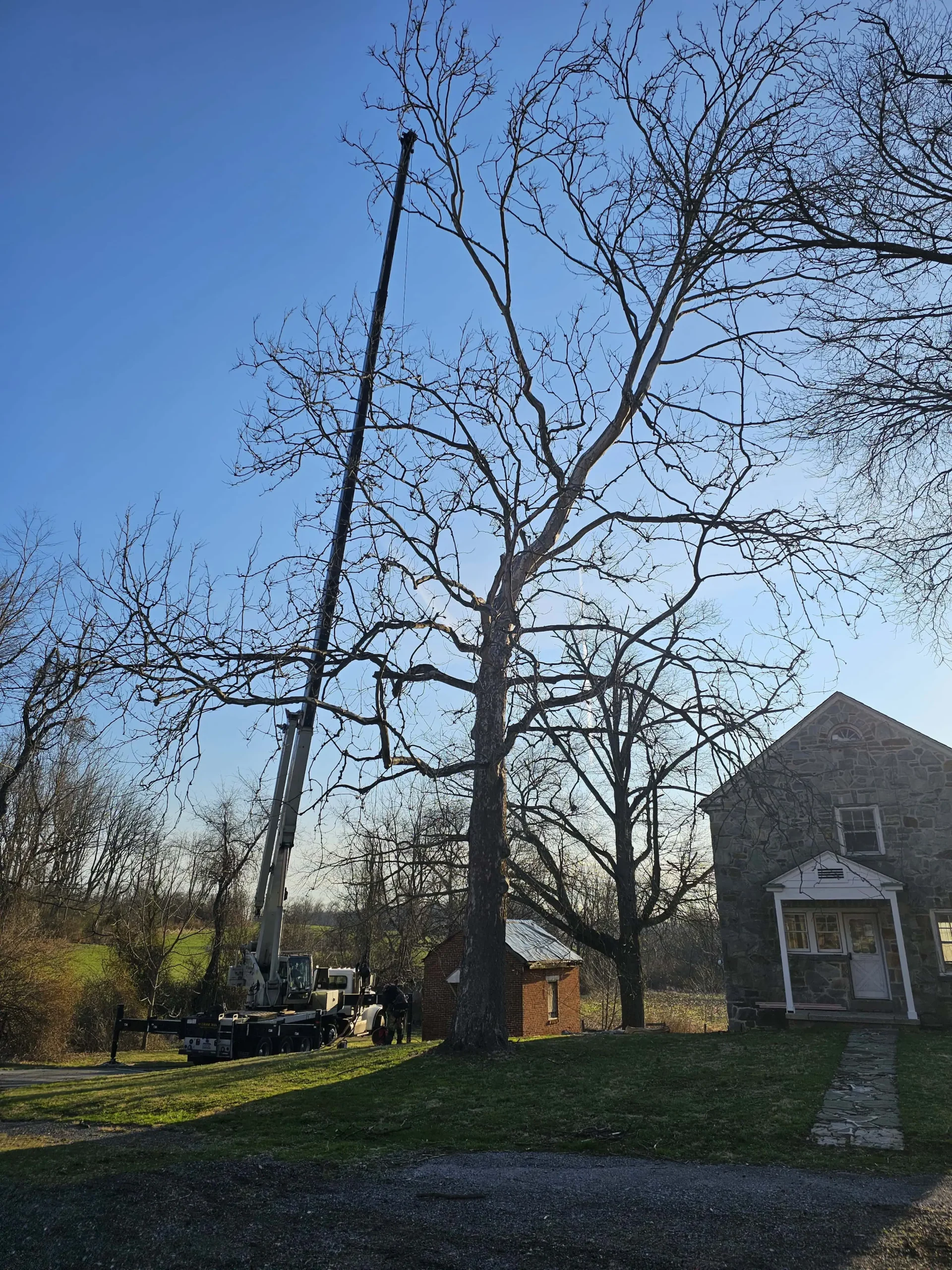
Storms and high winds can expose structural weakness that has been developing for years, and storm damage is a frequent summer hazard during severe weather events. Broken limbs, split trunks, and uprooted trees create safety concerns and can rapidly change risk profiles for a property. Knowing when damage can be mitigated and when removal is the safest option is an important part of responsible tree care.
Structural failure is often preceded by signs such as cracks forming at branch unions, large cavities, or progressive leaning; these signs are not always obvious to the untrained eye. A thorough tree inspection that notes structural defects, decay extent, and target hazards can identify trees that need stabilization, selective pruning, or professional attention. If removal is the only safe course because a tree poses an ongoing risk, documented evaluation helps property owners understand the reasons behind that conclusion.
For detailed information about removal techniques and considerations, homeowners can review the tree removal services information available from an established local company to understand the range of approaches used in complex situations. When planning post-storm clean up, prioritizing safety, protecting utilities, and documenting damage for insurance purposes are practical next steps.
When to Schedule a Professional Tree Inspection
A professional tree inspection is warranted when symptoms are sudden, when structural concerns arise, or when an accurate tree disease diagnosis is needed to inform long term plans. Inspections are particularly useful after droughts, storms, or when a tree shows active decline that does not respond to simple cultural care. An arborist brings experience in differentiating between problems that look similar, such as distinguishing heat stress from root disease.
Homeowners in Reading, PA who want a thorough assessment should look for inspectors familiar with local species and seasonal stress patterns, as those details affect diagnosis and recommendations. A company profile that explains team expertise helps verify that inspectors understand regional conditions; reviewing information about the local crew and their experience can be a helpful first step. Bolder Quality Tree Care provides an overview of its professionals and their background that homeowners can review before scheduling inspections.
During an inspection, expect documentation of observations and a clear description of recommended next steps including monitoring, pruning, or more invasive diagnostics. Keeping a simple record of inspection findings and follow up actions makes future comparisons easier and helps measure recovery or further decline over time.
Related resources for next steps
For more detail, review Bolder Quality Tree Care’s home page page and its tree removal services resource before making a final plan. These pages provide additional context about the services and decisions discussed above, while keeping the focus on what applies to your property and priorities.
You can also explore about our team when that aspect of the project affects your situation. For independent background, Extreme heat causes moisture loss, leaf scorch, and premature leaf drop in urban and residential trees. offers high-authority educational guidance that supports a careful, informed decision.
Frequently Asked Questions
1. What are the most common tree problems I should watch for in Reading, PA this summer?
Bolder Quality Tree Care recommends watching for leaf scorch, premature leaf drop, and wilting as common summer signs in Reading, PA. These symptoms often point to heat stress or root moisture deficits, but they can also signal early insect or fungal pressure. Regular visual checks and noting symptom patterns across the canopy help determine whether an inspection is needed.
2. How do I know if a tree needs an arborist tree inspection or just watering?
Bolder Quality Tree Care advises that sudden or severe canopy decline, exposed roots, or structural cracks merit an arborist tree inspection in Reading, PA rather than a simple watering response. If symptoms appear quickly after heat spells or storms, professional assessment can rule out root disease or structural instability. Consistent minor wilting that improves after deep watering may be managed at home with adjusted irrigation and mulching.
3. Can insect pests cause long term damage to trees in Reading, PA?
Yes, Bolder Quality Tree Care notes that recurring or heavy infestations can reduce a tree’s vigor and make it more susceptible to secondary infections in Reading, PA. Early detection and targeted management reduce long term impacts and preserve canopy health. Monitoring and timely identification are key to preventing chronic decline.
4. When should I consider tree removal after summer storm damage?
Bolder Quality Tree Care recommends considering removal in Reading, PA when trees have major structural failures, large trunk splits, or root plate lift that compromise safety. If stabilization or selective pruning cannot reasonably address the hazard, removal may be the safest option. Documentation from a professional inspection helps clarify risks for homeowners and their insurers.
Conclusion
Understanding Tree Problems starts with clear information, realistic priorities, and attention to the details that affect your property. Homeowners in Reading, PA can use the points in this guide to compare options, ask better questions, and make a confident next decision.
Bolder Quality Tree Care Is Ready to Help in Reading, PA
Bolder Quality Tree Care is a fully licensed and insured tree service serving Reading and surrounding areas, and the team can provide professional inspections, diagnoses, and planned care. If you are noticing decline, unusual leaf symptoms, or storm damage, use the company website or contact form to request more information or to schedule an inspection. The team aims to provide clear, safety-focused guidance tailored to local tree species and conditions.